Overview
Click here for interactive map Parameters Monitored: Water Temperature (035C) Critical for oyster growth and metabolic processes. pH (6.58.5) Indicates water acidity or alkalinity, ensuring a stable environment for oyster survival. Turbidity (0100 NTU) Measures water clarity, which affects light penetration and photosynthesis. Total Suspended Solids (TSS, 01500 mg/L) Tracks particle concentrations that influence water quality and oyster filtration capacity.
Surface Temperature (040C) Helps monitor the thermal conditions of the water surface, affecting aquatic species. Salinity (070 PSU) Essential for determining water suitability for oyster habitation and reproduction. Phosphorus (P, 020 mg/L) A key nutrient influencing algae growth and ecosystem dynamics. Nitrogen (N, 050 mg/L) Vital for assessing nutrient levels that impact water quality and eutrophication.
Microplastic Concentration (PPM, 020) Tracks the presence of microplastics to evaluate environmental health and safety. GPS Location Provides precise geospatial data for tracking and mapping oyster bed locations. Depth (050 meters) Critical for identifying suitable habitat conditions based on water pressure and light availability. Chlorophyll (0100 g/L) Measures phytoplankton levels, a primary food source for oysters.
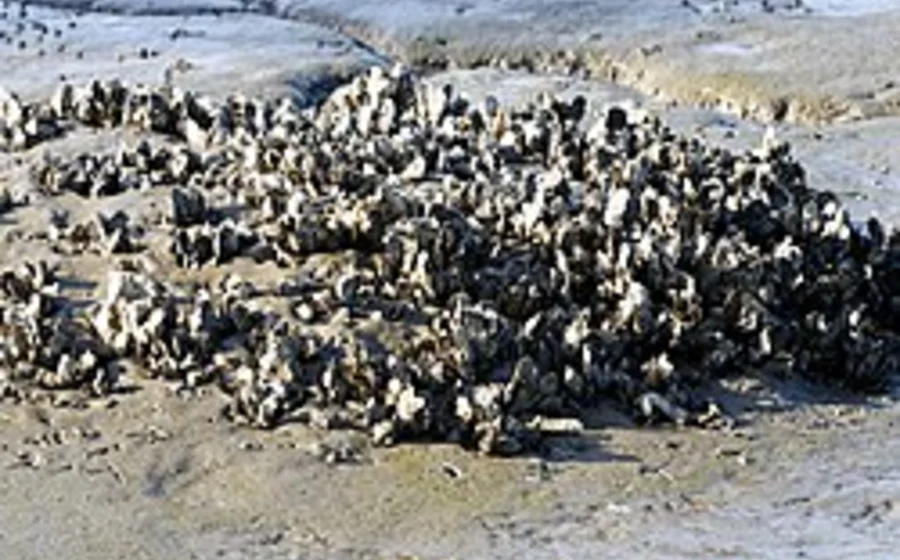
Importance: These parameters enable stakeholders to: Identify optimal locations for oyster bed placement. Monitor and maintain the health of aquatic ecosystems. Improve water quality and sustainability in estuarine and coastal environments. By leveraging this data, we can ensure the success of oyster bed projects and contribute to long-term environmental conservation efforts.