The public asset begins with evidence from the water.
Pearl Token is the public-facing asset concept for Verity One's nutrient-credit program. Its identity must remain connected to a reviewed deployment, measured evidence, and an issued credit record. Interest is open; issuance, transfer, retirement, payment, and ledger actions remain controlled until the evidence and approvals are complete.
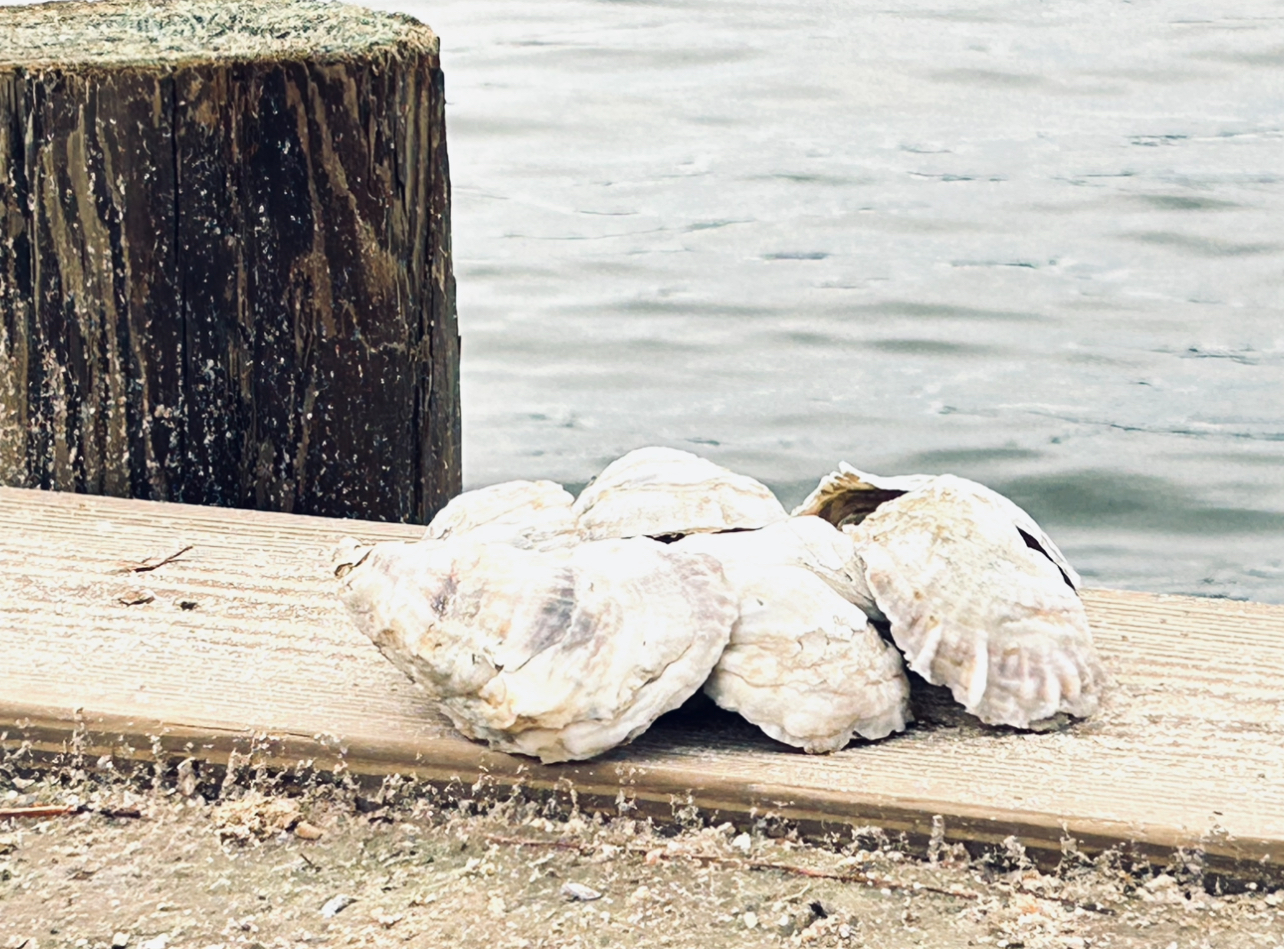
Oysters first
The physical work comes before the digital record: deployment, observations, human review, and a traceable evidence set.
Rack-scale planning context
Earlier program material modeled roughly 270–702 million gallons filtered per rack over an 18-month deployment. That is planning context—not an issued-credit calculation. Actual claims must come from deployment-specific collected data and the approved methodology.
Nutrients and supporting evidence
Nitrogen and phosphorus remain the controlled credit variables. Turbidity, particulates, habitat observations, and microplastics may strengthen the evidence record, but they are not silently converted into N/P credit quantity.
What buyers are tired of
Offsets that ask for faith in a future promise. Many environmental instruments depend on delayed outcomes, indirect estimates, or paperwork that is hard for a buyer to inspect.
What a Nutrient Credit has to be
Evidence that shows restoration happening now: oysters in the water, filtration observed, nitrogen and phosphorus reduction measured, records reviewed, and public claims separated from unsupported marketing.
That is not a slogan. That is the product.
This did not start as a generic green product.
The NC path comes from William Tolar Nolley, Oyster Company of Virginia, Chesapeake waterbody work, ISNRP-style measurement, and years of making oyster restoration understandable to regulators, buyers, and the people who actually work the water.
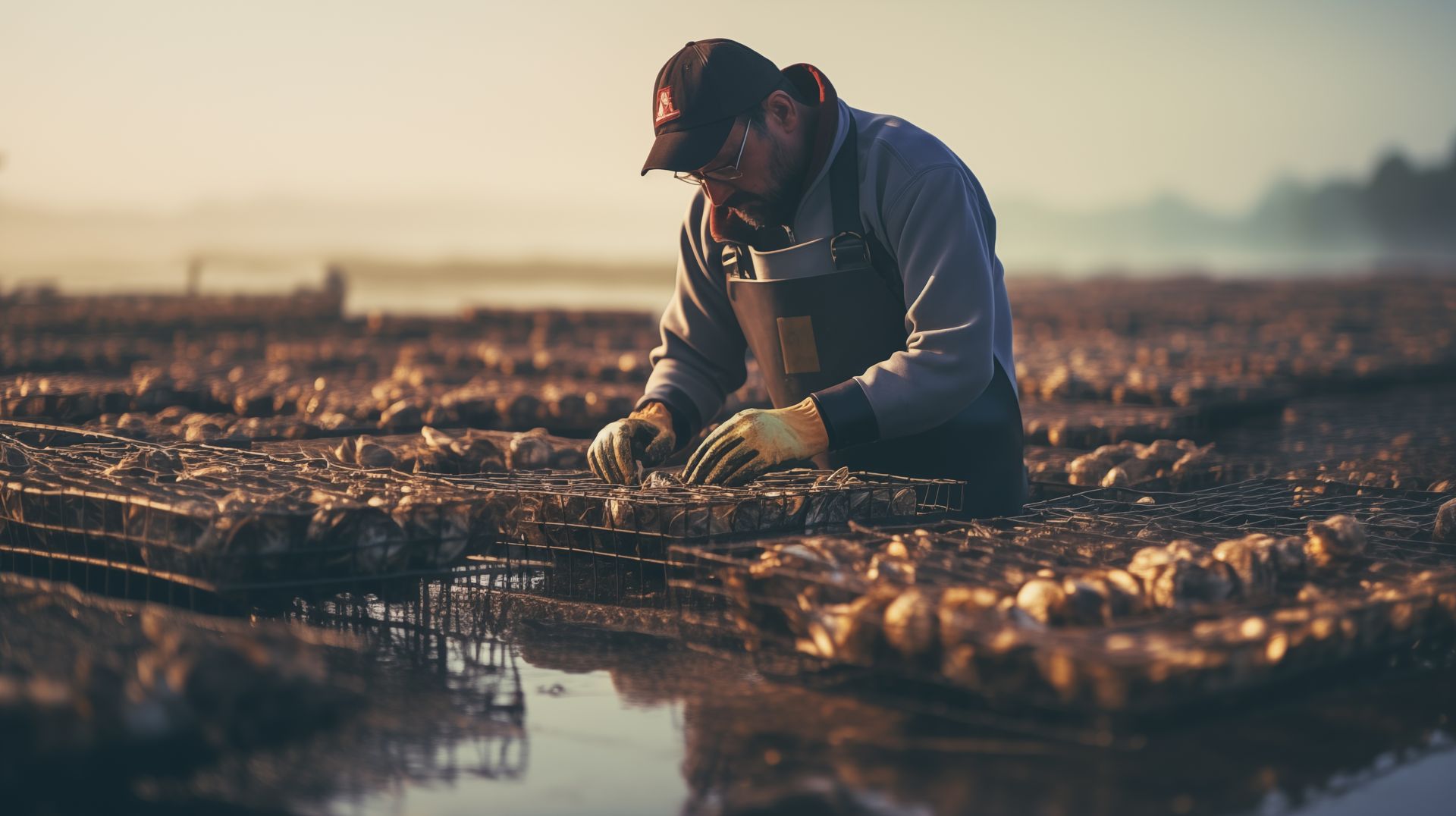
Tolar and OCVA
The human origin: oyster work, waterbody-specific remediation, and the promise to carry the system forward.
Measured restoration
Nitrogen, phosphorus, oyster biomass, waterbody baselines, lab records, and reviewable evidence.
Deployment map
Chesapeake Bay first, with expansion context for the Delaware River, Hudson River, Long Island Sound, Dubai, Singapore, Hong Kong, and Shenzhen.
Education, measurement, trust, origin, habitat, and buyer interest.
Each route serves a real audience: buyers, municipalities, ports, yachts, shipping operators, data centers, hotels, farms, water systems, restoration crews, and reviewers.
What a nutrient credit is
Plain-language education for nitrogen, phosphorus, oyster filtration, and why remediation credits matter.
How to measure a credit
A buyer-ready overview of field records, sampling, review, and receipts.
Validation before claims
The guardrails that keep Nutrient Credits from becoming unsupported environmental language.
How it started
The Tolar and Oyster Company of Virginia story behind the restoration path.
Oyster habitats
Species and habitat context that make the restoration mechanism concrete.
Start remediation interest
For companies, governments, ports, hotels, farms, water systems, yachts, shipping, and coastal infrastructure.
Restoration interest is open. Credit actions stay controlled.
A buyer can start the conversation, name the waterbody, describe the footprint, and request review. Credit issuance, exchange, payment activation, token sale, ledger action, and private deployment detail release remain closed until the evidence and approvals support them.
- Buyer: organization, buyer class, vessel, facility, site, or watershed footprint.
- Waterbody: target bay, river, estuary, marina, port, farm, utility, or coastal infrastructure area.
- Evidence: producer, species, deployment dates, monitoring, nitrogen and phosphorus variables, reviewer, and claim boundary.
- Receipt: durable proof that can survive buyer review, customer questions, and audit.